


7 Ways To Support Immune Health During Winter Celebrations
Key Takeaways
- Winter immune support comes from small, steady choices that combine nutrient-dense food, quality sleep, hydration, and gentle movement instead of relying on quick fixes.
- Cold-season nutrition built around vitamin C, zinc, fibre, and antioxidants gives immune cells the building blocks they need to handle social contact and indoor living.
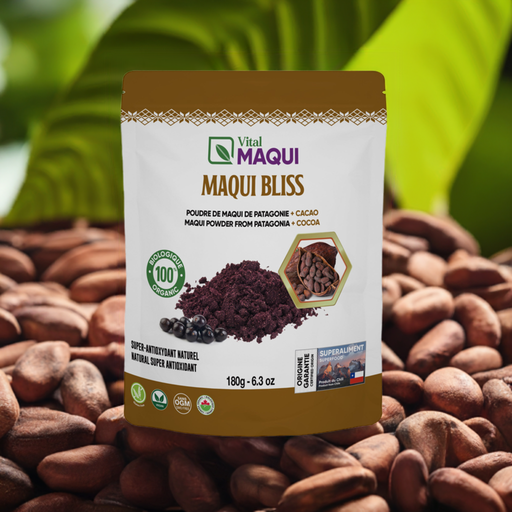
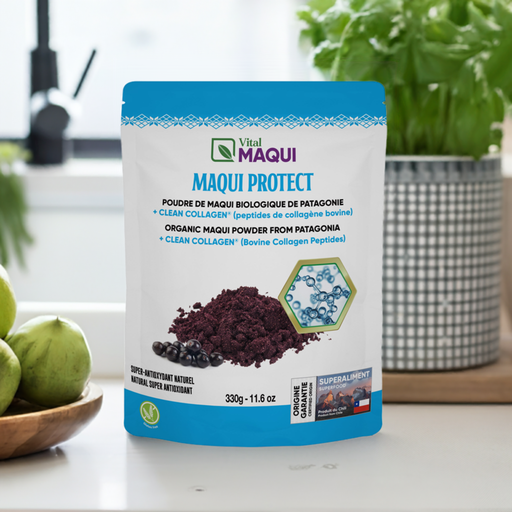
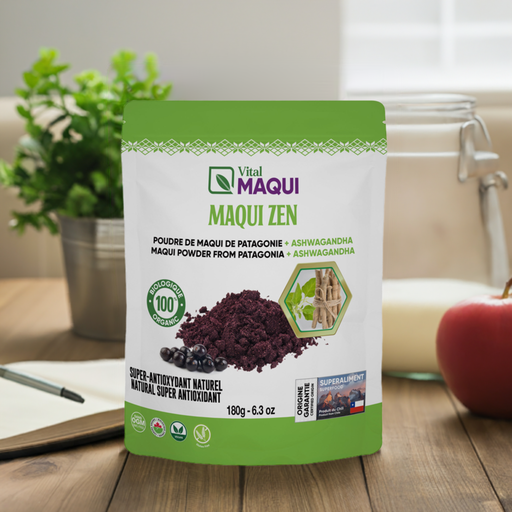
- Maqui berry vitamin C and purple polyphenols offer concentrated antioxidant support that can be stirred into simple foods and drinks without adding extra stress to your routine.
- Balanced routines for Canadians in winter focus on practical habits such as fibre-rich soups, upgraded snacks, calming sleep rituals, and realistic movement that fits short, dark days.
- Daily superfood practices help connect intention to action so you can feel more stable through holiday gatherings and maintain energy without giving up seasonal enjoyment.
Cold weather, busy gatherings, and long evenings can quietly drain your immune reserves. You might be juggling work deadlines, family visits, and holiday planning while trying to stay healthy. It is easy to push sleep, hydration, and nutrition to the side when schedules feel full. Small, steady choices can keep your body more resilient so you feel present and energized at every celebration.
Canadians also deal with short daylight hours, icy commutes, and more time indoors, which can place extra pressure on the immune system. Dry indoor air, close contact at gatherings, and higher sugar intake from seasonal treats can make your defences work harder. You deserve simple winter immune-support habits that fit into your daily life without feeling like another task on your list. Thoughtful cold-season nutrition, movement, and rest can bring a sense of calm control to this stretch of the year.
“Small, steady choices can keep your body more resilient so you feel present and energized at every celebration.”
Understanding Cold-Season Immune Needs For Canadian Winters
Colder months in Canada bring more time in close quarters, from office parties to family dinners, and that extra contact can expose you to more seasonal bugs. Your immune system works constantly in the background, and winter stressors can add up when sleep, hydration, and balanced meals start to slide. Shorter days can affect vitamin D levels, while rich foods and sweets can crowd out nutrient-dense options. Paying attention to small signals, such as low energy or frequent sniffles, can remind you that your system may need extra care.
Cold-season nutrition plays a central role because immune cells rely on vitamins, minerals, protein, and healthy fats to function optimally. Nutrients like vitamin C, zinc, vitamin D, and plant antioxidants support cells that recognize and respond to unwanted microbes. Fibre supports gut bacteria, which, in turn, influence immune function, mood, and digestion. When you combine nutrient-dense foods, gentle movement, and calming rituals, you give your body a stronger foundation so winter celebrations feel more enjoyable rather than draining.
7 Ways To Support Immune Health During Winter Celebrations
Holiday plans can fill your calendar, leading to more restaurant meals, late nights, and alcohol than usual. You might notice that your body feels heavy or sluggish after a string of events, even if you enjoy the social time. Simple immune health tips Canada residents can rely on through December and January do not need to feel restrictive or complicated. Minor adjustments in what you eat and how you unwind can pay off in steadier energy and fewer mid-season crashes.
1. Add Vitamin C-Rich Superfruits To Your Daily Routine
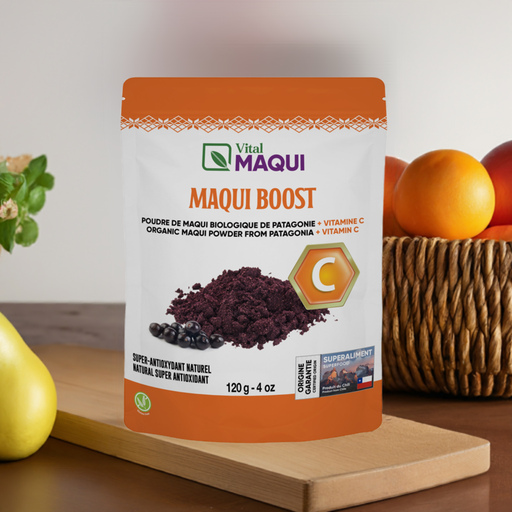
Vitamin C is one of the most recognized nutrients for winter immune support because it supports normal function of immune cells and helps protect them from oxidative stress. Citrus is an obvious source, yet many people forget about purple superfruits such as maqui, berries, and blackcurrants that also provide valuable antioxidants. Maqui berry vitamin C content combines with deep purple pigments to support your natural defences and complement other parts of your diet. Regular intake matters more than a single large dose, so the simplest goal is to include vitamin C-rich foods once or twice each day.
Daily habits can make this feel easy rather than a chore. You could add a maqui-based powder to water, smoothies, or yogurt in the morning to support your immune system early. Sliced kiwi, oranges, and berries on warm oats give you extra vitamin C plus fibre to support gut health. Pairing these superfruits with nuts or seeds adds healthy fats that keep you full longer, which can help when festive snacks appear at every corner.

2. Support Gut Balance With Fibre-Focused Foods And Hydration
Gut health is closely linked to immune function, since a large portion of immune cells sit along the digestive tract. Fibre feeds helpful gut bacteria, which, in turn, create short-chain fatty acids that support immune balance. Whole grains, lentils, beans, vegetables, and fruit provide this fibre, yet holiday trays often lean more on refined flour and sugar. If your digestion feels off during winter gatherings, it may signal that your gut microbes aren't getting enough variety.
Gentle changes to cold-season nutrition can restore balance. You might fill half your plate with vegetables first, then add protein and starch so fibre stays at the centre of the meal. Soups with beans, barley, or lentils offer warmth, comfort, and fibre in one bowl that still feels festive. Hydration matters too, so alternating alcohol with water or herbal tea can support digestion, circulation, and overall immune health.
3. Use Soothing Herbal Ingredients For Seasonal Comfort
Certain herbs have long histories of use for seasonal comfort, and modern research supports their value in supporting immune responses. Ingredients like echinacea, elderberry, ginger, and thyme can be part of a winter routine that feels nurturing and grounded. Ginger may help with circulation and digestive comfort, while elderberry and echinacea are commonly used at the first sign of seasonal changes. These herbs do not replace medical care, yet many people find they feel more supported when they include them thoughtfully.
You can weave these ingredients into daily rituals that feel cozy and calming. Ginger and lemon tea, after coming in from the cold, gives warmth and a small boost of vitamin C. A spoonful of elderberry syrup with breakfast, or mixed into warm water, can be a simple habit during the coldest months. Herb-rich broths, stews, and teas add depth to your winter immune-support plan while still feeling soothing and familiar.
4. Keep Blood Sugar Steady With Balanced Winter Snacks
Holiday cookies, chocolates, and sweet drinks can lead to sharp spikes and drops in blood sugar. Those swings can leave you irritable, tired, and more likely to crave even more sugar, which may not support immune balance. When blood sugar stays steadier, your body has more consistent energy to devote to daily tasks and immune function. Balanced snacks that combine fibre, protein, and healthy fats can reduce the impact of occasional treats.
You might pair a small dessert with a handful of nuts, or enjoy fruit with nut butter instead of candy. Whole-grain crackers with hummus, yogurt with berries and seeds, or a slice of whole-grain toast with avocado all provide staying power. Planning a satisfying snack before going to a party can reduce the urge to stand by the dessert table all night. This steady approach fits naturally into winter celebrations while still letting you enjoy favourite foods.
5. Prioritize Calming Sleep Rituals During Busy Holiday Weeks
Sleep is where much of the behind-the-scenes immune work happens, including tissue repair and the coordination of immune signals. Late nights, blue light from screens, and alcohol can disrupt deep sleep stages that are so important for recovery. Many people notice that they catch more seasonal bugs when several short nights pile up. Treating sleep as a key piece of winter immune support can change how you feel through the season.
Gentle pre-bed routines signal to your body that it is safe to wind down. You might dim lights an hour before bed, stretch for ten minutes, or sip a warm, caffeine-free drink. Keeping a consistent sleep and wake time, even on weekends, helps your internal clock stay steady through December and January. Restorative sleep gives you more capacity to enjoy social time, handle stress, and maintain your immune defences.
6. Boost Indoor Nutrition With Antioxidant-Rich Smoothies And Drinks
Cold weather often means fewer fresh salads and more comfort food, which can lower your intake of fresh produce and antioxidants. Antioxidants help protect cells from oxidative stress caused by normal metabolism and daily pressures. Deeply coloured berries, leafy greens, and herbs all provide these compounds and pair well with winter-friendly drinks. Smoothies and warm drinks also offer easy ways to include maqui berry vitamin C support in your routine.
You can blend frozen berries, spinach, a banana, and a scoop of a maqui-based blend with water or plant milk for a quick breakfast or snack. This kind of cold-season nutrition gives you fibre, vitamins, and polyphenols in a format that works well on busy days. Warm options, such as a berry-infused herbal tea or a hot cacao mixed with a purple superfruit powder, feel comforting while still offering antioxidants. These drinks work exceptionally well on days when you do not feel like chopping vegetables but still want something nourishing.

7. Stay Active With Gentle Winter Movement That Feels Enjoyable
Movement supports circulation, mood, and immune health by helping immune cells move around the body more effectively. Many people spend more time sitting during winter due to icy sidewalks, long drives, and indoor events. Even short bursts of gentle activity can help counter this pattern and keep you feeling more energetic. The key is choosing forms of movement that feel realistic and even enjoyable in cold, dark months.
You might walk indoors at a mall, follow a short stretching video at home, or try a low-impact strength routine with simple equipment. Gentle yoga or mobility sessions help with stiffness from time on the couch or at a desk. Outdoor walks on safer days still give you fresh air and a helpful mental reset. Regular, moderate movement supports winter immune support goals without placing extra strain on your system.
How Cold Season Nutrition Supports Steady Energy And Immune Balance
Cold-season nutrition plays a key role in how you feel from morning to night during winter. Nutrient-rich meals give your immune cells what they need while supporting mood and energy levels. Canadians often feel pulled between rich seasonal food and the desire to stay healthy, which can create confusion about what actually matters. Clear guidance on vitamins, minerals, and phytonutrients helps you focus on what brings the most value to your body.
|
Nutrient |
Role In Winter Immune Health |
Seasonal Food Ideas |
Simple Cold-Season Idea |
|
Vitamin C |
Supports immune cell function and antioxidant status |
Citrus, kiwi, berries, maqui |
Add a maqui-based blend or citrus to breakfast |
|
Vitamin D |
Supports immune regulation and mood |
Fortified plant milks, eggs, fatty fish |
Include fortified milk with oats or smoothies |
|
Zinc |
Supports immune cell development and repair |
Beans, lentils, nuts, seeds, whole grains |
Add seeds or nuts to salads, soups, or yogurt |
|
Polyphenols |
Offer antioxidant support for cells |
Maqui, blueberries, blackberries, green tea |
Sip green tea and include purple fruits in snacks |
|
Fibre |
Supports gut bacteria linked to immune balance |
Oats, legumes, vegetables, fruit |
Choose a fibre-rich soup or stew a few times per week |
Vitamin C And Antioxidants For Winter Immune Support
Vitamin C supports the normal function of immune cells such as neutrophils and lymphocytes, helping them respond to seasonal challenges. This vitamin also supports collagen production, which helps maintain skin, one of your first physical barriers. When people think about vitamin C, they often think only about oranges, yet berries and kiwi can offer similar or higher levels. Cold-season nutrition that includes a variety of colourful plant foods provides a steady stream of vitamin C throughout the day.
Antioxidants such as polyphenols help reduce oxidative stress that can occur when immune cells are active. Maqui berry is particularly rich in these compounds, which is why maqui berry vitamin C is often highlighted in winter immune support conversations. Combining vitamin C with other antioxidants from green tea, herbs, and vegetables builds a wider shield for your cells. This combination can help you feel more resilient during stretches of social activities and colder temperatures.
“Over time, these choices can add up to more energy, fewer dips, and a stronger sense of stability through winter.”
Vitamin D And Zinc During Shorter Daylight Months
The main difference between vitamin D and many other nutrients is that your body can make vitamin D with sunlight, but winter sunlight in Canada is often insufficient. Short days and heavy clothing reduce skin exposure, which can lower vitamin D levels over time. Vitamin D supports immune regulation and has links to mood and bone health. Fortified foods and some animal products contribute to intake, and many people discuss supplementation with their healthcare provider.
Zinc is another essential mineral that plays a role in the development and function of immune cells. Beans, lentils, nuts, seeds, and whole grains offer plant-based sources that fit nicely into soups, stews, and salads. People who rely only on refined grains and low-protein snacks may not reach optimal zinc intake during busy months. Focusing on simple swaps, such as choosing whole-grain bread and adding seeds to meals, supports both immune function and satiety.
Protein And Healthy Fats For Stable Holiday Energy
Protein provides the building blocks for antibodies, immune cells, and tissue repair. Many holiday meals include ample protein, yet snacks and desserts often lack it, which can contribute to energy dips. Including protein at each meal, such as beans, lentils, tofu, eggs, or fish, helps stabilize blood sugar and keeps you feeling satisfied longer. This stability allows the body to allocate more consistent energy to immune tasks rather than constant sugar highs and lows.
Healthy fats, such as those from nuts, seeds, olive oil, and fatty fish, support cell membranes and help absorb fat-soluble vitamins like A and D. These fats can also make meals more satisfying, which may reduce cravings for less nourishing snacks. Simple combinations, such as roasted vegetables with olive oil and seeds, bring colour and satisfaction to winter plates. Regular intake of both protein and healthy fats creates a steady base that can make winter celebrations feel less exhausting.
Hydration And Warm Fluids In Heated Indoor Spaces
Heated indoor spaces dry the air, which can, in turn, dry out your throat, nasal passages, and skin. These areas are part of your body’s protective barrier, so dryness can make them more sensitive. Many people notice they drink less water in winter because they do not feel as thirsty as in summer. Hydration remains essential for circulation, digestion, and immune cell function year-round.
Warm fluids can feel more appealing in cold months and also support relaxation. Herbal teas, warm water with citrus, or light broths count toward your daily fluid intake and can carry additional nutrients or herbs. Limiting sugary drinks and alternating alcohol with water supports both liver function and sleep quality. Consistent hydration, even in small sips through the day, helps your immune system carry out its many tasks more comfortably.
Cold-season nutrition works best when you think about patterns, not perfection. Gradual changes in how often you include colourful produce, protein, healthy fats, and fluids can shift how you feel across the season. You do not need a complicated meal plan to support the immune system, only consistent, thoughtful choices most days. Over time, these choices can add up to more energy, fewer dips, and a stronger sense of stability through winter.
Daily Superfood Practices That Fit Canadian Winter Routines Easily
Daily routines in winter can feel packed with work, childcare, and social plans, which makes it easy to rely on convenience food. You may want to support your immune system but feel unsure where to start or how to stay consistent. Superfoods such as berries, herbs, and high-fibre grains offer concentrated nutrition that can fit into busy schedules with minimal effort. Simple routines that match your preferences are more likely to stick through the entire cold season.
- Start your morning with a purple smoothie made with frozen berries, a scoop of maqui-based powder, and a source of protein, such as Greek yogurt or plant protein.
- Set up a hydration station on your counter with a filled water bottle, herbal tea bags, and sliced citrus so you are reminded to sip through the day.
- Upgrade your afternoon snack by pairing fruit with nuts or seeds, which adds fibre, antioxidants, protein, and healthy fats in one quick plate.
- Keep a pot of soup or stew in the fridge made with beans, lentils, and vegetables, so you always have a fibre-rich, warming option on hand.
- Add a superfruit blend to simple recipes like chia pudding, oats, or energy bites to lift antioxidant content without complicated cooking.
- Create a short evening wind-down ritual with a calming herbal tea, light stretching, or a few pages of reading to support deeper sleep and immune recovery.
Consistent, manageable habits have a more substantial impact than occasional intense efforts that feel hard to maintain. You can build these superfood practices into existing routines, such as breakfast, snack time, or your evening wind-down, rather than creating entirely new schedules. These steps support winter immune support goals while still leaving room for flexibility and fun. Over the season, small daily actions can leave you feeling steadier, clearer-headed, and ready to enjoy meaningful moments.

How Vital Maqui Supports Your Winter Immune Journey Naturally
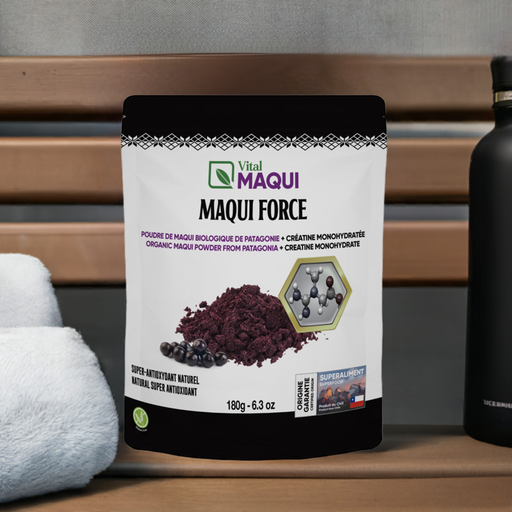
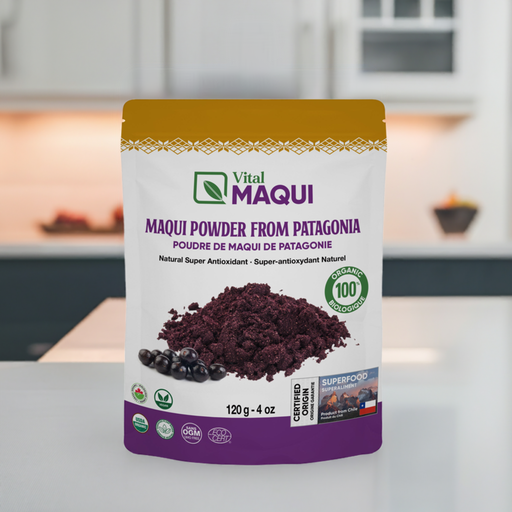
Many Canadians want immune health support that feels clean, simple, and grounded in real ingredients rather than long ingredient lists they do not recognize. Winter brings particular challenges such as low sunlight, cold commutes, and richer food choices, and people want tools that fit into this reality. Vital Maqui focuses on high-antioxidant maqui berry sourced from pristine Patagonian regions and blends it with carefully chosen ingredients that fit common wellness goals. This approach gives you options that support immune balance, energy, sleep, and skin health while staying aligned with a natural, plant-focused lifestyle.
Maqui-based blends integrate easily into cold-season nutrition, as a single scoop can add antioxidants, colour, and flavour to everyday foods and drinks. You might mix a product into smoothies, yogurt, or water to create a quick ritual you can keep even on hectic mornings. Clear labels and additive-free formulas support the desire for transparency and trust that many Canadians now bring to their wellness choices. This combination of purity, potency, and ease helps you move from intention to action in a practical way. A steady focus on quality and honest communication aims to build long-term confidence that your winter routine is supported by thoughtful nutrition.
Common Questions
Questions about winter immune support often come up as temperatures drop and social calendars fill. Many people feel unsure which nutrients matter most and how to apply general advice to life in Canada. It can also be confusing to sort through information about superfruits like maqui and understand how they fit within a complete routine. Clear answers can make it easier to choose daily habits that feel realistic and effective.
How Does Maqui Berry Support Immune Health During Winter?
Maqui berry contains high levels of purple pigments called anthocyanins, which act as antioxidants that help protect cells from oxidative stress. These compounds, combined with vitamin C, support normal immune function and help maintain healthy tissue. Maqui can be especially useful in winter when overall intake of fresh fruits and vegetables may drop. When you add a maqui-based blend to smoothies or water, you create a simple way to support immune balance through the coldest months.
What Nutrients Help My Immune System At Holiday Gatherings?
Several nutrients play beneficial roles during busy holiday periods, including vitamin C, vitamin D, zinc, and fibre. Vitamin C supports immune cells directly, vitamin D supports immune regulation, and zinc contributes to cell development and repair. Fibre from whole grains, beans, vegetables, and fruit helps maintain gut health, which has strong links to immune function. Aiming for balanced meals with colourful produce, a source of protein, and some healthy fat at holiday gatherings keeps your body better supported.
Why Is Vitamin C Important For Winter Wellness?
Vitamin C is involved in several aspects of immune function, including supporting white blood cells and protecting them from oxidative stress. It also contributes to collagen production, which supports skin and tissue that act as physical barriers. Winter diets can sometimes be lower in fresh produce, so vitamin C intake may drop just as seasonal pressures rise. Including citrus, berries, kiwi, and superfruits like maqui each day helps keep vitamin C levels steady for better winter wellness.
What Are Some Practical Immune Health Tips For Canadians In December?
Canadians in December can benefit from a few simple habits that fit the season. Focusing on warm, fibre-rich meals such as soups and stews, along with daily vitamin C sources, supports cold-season nutrition without feeling restrictive. Regular gentle movement, such as indoor walking or short stretching sessions, supports circulation and mood even on the darkest days. Prioritizing sleep, hydration, and one daily superfood habit can make a noticeable difference in how steady and energized you feel during the month.
A thoughtful winter routine does not need to be perfect to be valuable. Consistency with a few key actions, such as nutrient-dense meals, regular movement, and calming sleep rituals, can bring meaningful support to the immune system. You can adjust these habits to match your schedule, stage of life, and personal preferences. Over time, these choices help build confidence that you are caring for your body throughout the Canadian winter season.
 Retour à Blog
Recettes
Voir toutes


Boutique VitalMaqui