


How To Balance Holiday Treats With Natural Antioxidant Support
Key Takeaways
- Thoughtful choices around hydration, portions, and meal timing can help you enjoy holiday treats while still feeling comfortable and clear-headed.
- Antioxidant rich foods, especially berries, vegetables, herbs, and teas, support immune health, blood sugar balance, and cell protection during busy winter weeks.
- Maqui berry offers concentrated antioxidant and gentle anti-inflammatory support that can complement everyday habits for joints, metabolism, and general comfort.
- Simple routines such as balanced plates, light movement, stress soothing practices, and sleep care make managing holiday indulgence more realistic and less stressful.
- Seasonal pairings that add colour and fibre to traditional meals provide your body with more natural support during the holidays without sacrificing flavour or family traditions.
You can enjoy holiday treats and still feel good in your body. Many Canadians feel torn between rich seasonal food and the desire to stay well. You might head to a family dinner feeling excited, then come home bloated, foggy, or wired from sugar. Simple planning, grounding habits, and natural antioxidant support can soften those swings so you feel steadier through the season.
Holidays also arrive with extra social plans, travel, and shifts in your usual routine. Sleep can shorten, movement drops, and rich food shows up at work, at home, and at every gathering. This mix can leave your digestion, energy, and mood feeling out of balance, even if you love the traditions. Understanding how antioxidants and a thoughtful holiday diet can support your body gives you more choice in how you feel, without asking you to skip every treat.
Why Holiday Treat Season Can Affect Your Daily Comfort
Holiday food often brings more sugar, refined flour, and saturated fat than you eat in a regular week. Plates might hold creamy potatoes, sweet sauces, and pastries that stack up over several days of celebrations. These foods are enjoyable and meaningful, but large portions can raise blood sugar and leave you feeling sleepy or jittery shortly after eating. Later that night you may notice heartburn, bloating, or a heavy feeling that follows you into the next morning.
Your digestion also responds to timing and pace, not just ingredients. Eating big meals late at night gives your stomach less time to process food before you lie down, which can worsen reflux and discomfort. Talking, laughing, and eating quickly around a busy table can lead to swallowing more air, which adds to gas and bloating. Alcohol, even in small servings, can relax the muscles that keep stomach acid in place and can disrupt sleep quality once you finally fall asleep.
“Simple planning, grounding habits, and natural antioxidant support can soften those swings so you feel more steady through the season.”
Stress plays a quiet role in how your body reacts to holiday treats. Planning events, managing family dynamics, and juggling travel plans all raise stress hormones that can affect appetite, cravings, and blood sugar balance. When you sit down to eat feeling tense or rushed, your body may remain in a more alert state rather than shift into a calm digestive mode. That combination of rich food and reduced digestive comfort is a big reason many people feel puffy, sore, or mentally foggy as the season progresses.
How Antioxidants Support Balance During Holiday Food Choices
Antioxidants are compounds in foods that help counteract oxidative stress in your cells. During holiday weeks, your body often faces added strain from higher sugar intake, alcohol, and less consistent sleep. Adding more antioxidant rich choices can support your immune system, help protect cell membranes, and support more comfortable inflammation levels. This kind of natural support during the holidays does not need to feel strict, since many seasonal ingredients already offer antioxidant benefits.
|
Holiday Moment |
Common Treats And Habits |
Helpful Antioxidant Support |
Simple Example |
|
Office potluck lunch |
Creamy casseroles, white bread rolls, sugary desserts |
Add colourful vegetables and fruit to your plate |
Choose salad with dark greens and take a small fruit serving with dessert |
|
Family dessert night |
Pies, cakes, ice cream, sweet drinks |
Include berries, citrus, and nuts |
Top a small slice of pie with berries and a spoon of yogurt instead of more ice cream |
|
Late night snack after party |
Leftover sweets and salty snacks |
Warm herbal or berry based drink |
Sip a berry tea and have a few nuts instead of more cookies |
|
Holiday brunch |
Pastries, pancakes, processed meat |
Balance with fibre, antioxidants, and protein |
Add fruit salad, whole grain toast, and avocado or eggs to your plate |
Oxidative Stress And Holiday Eating Patterns
Oxidative stress happens when there is an imbalance between free radicals and antioxidants in the body. Free radicals can rise with higher sugar intake, alcohol, cigarette smoke, and even normal metabolism during times of extra stress. During holiday weeks, your body may see more of these triggers at once, which can challenge protective systems. Antioxidant rich foods such as berries, colourful vegetables, and certain teas supply compounds that help neutralize free radicals so the burden on your cells stays more manageable.
Research links excessive oxidative stress to long term concerns for heart health, blood vessel function, and healthy aging of tissues. Short bursts during holidays will not define your health, but they add to the overall picture over the year. Choosing options higher in antioxidants can support your cells while you still enjoy family recipes and social traditions. Small shifts, such as adding a salad with deep green leaves or finishing meals with berries instead of extra sweets, can gently shift the balance in your favour.
How Antioxidants Support Immune Health During Festive Gatherings
Holiday gatherings often bring close contact indoors, shared dishes, and more time around people who may be fighting off winter bugs. Your immune system relies on adequate antioxidants like vitamin C, vitamin E, and polyphenols to help white blood cells function and to protect tissues during immune responses. If oxidative stress rises and antioxidant intake stays low, the cells that defend you may not work as efficiently. Focusing on fruits, vegetables, and certain superfruits with high antioxidant capacity can help keep your immune system supported during these social weeks.
Practical options include citrus segments on dessert trays, roasted Brussels sprouts with garlic, or a warm berry-spice drink. People who struggle with frequent winter colds often find that a more consistent intake of antioxidant rich foods helps them feel more resilient during December and January. This does not act like a switch that stops every infection, yet it can support the foundation your body relies on to respond. Antioxidants and holiday diet planning work best when they are part of daily habits, not just something you think about on party nights.
Antioxidants And Holiday Diet Balance For Blood Sugar Support
Big swings in blood sugar can leave you feeling shaky, sleepy, or irritable after meals. Heavy desserts, sugary drinks, and refined snacks are more likely to spike blood sugar than meals built around fibre, protein, and healthy fats. Adding antioxidant rich foods that are also high in fibre can support more stable blood sugar responses, since fibre slows absorption of glucose. This connection between antioxidants and holiday diet choices becomes very clear when you notice how different you feel after a plate with berries, nuts, and whole grains compared with one full of frosting and white flour.
People with insulin resistance or concerns about metabolic health often feel extra pressure around holiday foods. Thoughtful pairings can ease that pressure, such as serving a smaller slice of pie with a side of Greek yogurt and fruit, or choosing sparkling water with frozen berries instead of a second sugary drink. Those simple combinations bring antioxidants, protein, and sometimes fat into the mix, which can soften blood sugar spikes. Over a week of gatherings, these choices can help you stay more even in mood and energy so you enjoy time with people instead of wrestling with crashes.
Why Antioxidant Rich Foods Pair Well With Holiday Treats
Many traditional holiday dishes already include ingredients that are naturally high in antioxidants. Think of herbs like rosemary and sage on roasted vegetables, spices such as cinnamon and cloves in warm drinks, and dark berries in sauces. These foods provide polyphenols and other antioxidant compounds that support cells while you enjoy flavours you love. Pairing richer items with colourful plant foods gives your body more of the protective nutrients it needs during festive meals.
Comfort habits like sipping green tea after dessert or adding a handful of dark leafy greens to a simple lunch can also boost antioxidant intake. Over time, this pattern helps your body manage the extra saturated fat, sugar, and social stress that often arrive in the same season. The key idea is not perfection but balance, with antioxidant rich foods showing up often enough to support recovery from heavier meals. Small steps that feel realistic in your home will always be easier to keep than strict rules that create guilt.
Antioxidants give your body quiet support during a season that often adds extra strain. They help your immune system work, support healthy blood vessels, and protect tissues from oxidative stress linked with heavy meals and busy schedules. Focusing on antioxidant rich foods woven into daily routines can make managing holiday indulgence feel less overwhelming. As you look at your own traditions, a few simple adjustments can bring more colour, fibre, and protective compounds to the table without taking away the joy of the season.
Natural Ways To Support Your Body During Holiday Indulgence
Natural support during holidays often starts with small, kind shifts rather than strict rules. Many people feel that they must choose between enjoying food and caring for their health, which creates unnecessary tension. Gentle strategies can protect digestion, mood, and energy while still leaving space for traditional dishes. The focus is on supporting your body before, during, and after celebrations so you feel more comfortable overall.
Stay Gently Hydrated Through The Day
Drink water consistently from morning to evening, rather than trying to catch up late at night. Hydration supports digestion, helps your body process extra sodium from stuffing, sauces, and snacks, and can ease constipation. Keeping a reusable bottle nearby while you cook, travel, or visit with friends makes it easier to remember to sip.
Build Plates With Plenty Of Fibre-Rich Foods
Fibre slows digestion of carbohydrates and gives your gut bacteria fuel that supports overall health. During holiday meals, aim to fill at least half your plate with vegetables, fruit, beans, or whole grains before adding richer items. This simple pattern can help you feel fuller, support regular bowel movements, and soften sharp blood sugar spikes.
Use Gentle Movement Before And After Larger Meals
Light activity such as walking, stretching, or playing with children can help your muscles use some of the sugar from meals more effectively. Even ten to fifteen minutes after eating can support digestion and reduce the heaviness you feel when you go straight to the couch. If outdoor conditions are harsh, pacing around the house, climbing stairs, or turning on music for a short dance break are all helpful options.
Support Your Gut With Fermented Or Bitter Foods
Adding small servings of sauerkraut, kimchi, kefir, or plain yogurt can provide beneficial bacteria that support gut health. Bitter foods such as arugula, dandelion greens, or lemon in water may also stimulate digestive juices before a heavier meal. These additions do not have to be large to make a difference and can be tucked into appetizers or side dishes.
Plan Alcohol Intake With Care And Intention
Alcohol can irritate the digestive tract, disrupt sleep, and place extra load on the liver, especially when combined with heavy food. Setting a personal limit ahead of time, such as one or two drinks for the evening, helps you stay more in tune with how you feel. Alternating alcoholic drinks with sparkling water, tea, or flavoured water supports hydration and gives your body more space to clear what you have already consumed.
Keep Non Food Forms Of Comfort Close At Hand
Many people reach for sweets or salty snacks when they feel stressed, lonely, or bored during long gatherings. Preparing a few non food comforts such as a warm blanket, a quick walk, a favourite playlist, or a call with a friend can give you other ways to soothe yourself. Combining emotional care with mindful eating makes it easier to stop when you are physically satisfied.
Schedule Gentle Recovery Days After Heavier Events
Holiday calendars sometimes stack events back-to-back, leaving your body tired and inflamed. If you can, block off a few quieter days with lighter meals, more vegetables, extra water, and earlier bedtimes after big celebrations. These pauses help your digestive system reset and your nervous system settle so you feel ready for the next gathering.
These natural supports provide a foundation that helps your body handle the extra treats this season brings. They do not diminish the importance of medical care or replace guidance from your health practitioner; they can complement that advice. Many people find that even one or two of these habits practised consistently bring noticeable changes in digestion and mood. Over time, small supportive choices like these help you feel more at ease around holiday food and less pulled into all or nothing thinking.
How Maqui Berry Offers Gentle Anti-Inflammatory Benefits In Winter
Maqui berry is a deep purple fruit from southern Chile that is naturally rich in antioxidant compounds called anthocyanins. Research suggests that these compounds may help support healthy inflammation pathways in the body, which is why many people talk about maqui berry anti-inflammatory benefits. During winter, when heavy meals and lower activity can leave joints and digestion feeling more sluggish, extra antioxidant support can feel invaluable. Using maqui in daily routines such as smoothies, teas, or yogurt bowls can be a simple way to bring this support into holiday weeks.
What Makes Maqui Berry So Antioxidant Rich
Maqui berries grow in harsh Patagonian conditions with strong sunlight and cool air, which encourages the fruit to produce high levels of protective pigments. These pigments, known as anthocyanins, give the berries their deep purple colour and contribute to their strong antioxidant activity in laboratory testing. Studies comparing different berries have found that maqui can have higher antioxidant capacity than many common fruits most people eat in North America. This means even a small serving of concentrated maqui powder can contribute significantly to your total antioxidant intake.
Antioxidants from maqui may help neutralize free radicals and support cellular health throughout the body. Instead of relying only on vitamin C or vitamin E, people can widen their range of antioxidant sources by including polyphenol rich fruits like maqui. A mix of different antioxidants appears to be more supportive than very large amounts of a single nutrient, since each compound can act in slightly different ways. Maqui fits easily into this mixed approach because it can be stirred into drinks, breakfast bowls, or snacks without adding sugar or artificial ingredients.
Maqui Berry Anti-Inflammatory Benefits For Joint And Muscle Comfort
Many people notice stiffer joints and more muscle soreness during colder months and after long periods of sitting at holiday events. Preclinical research suggests that certain anthocyanins found in maqui may help modulate inflammatory pathways that influence joint comfort. These findings point to potential maqui berry anti-inflammatory benefits, especially when the fruit is used as part of a broader pattern of plant rich eating. While research is still growing, people who use maqui regularly often report that they feel more ease in moving through daily tasks.
It is important to remember that no single food acts like a medication, and you should always follow your health care provider's advice for joint or muscle conditions. That said, nutrition professionals frequently encourage antioxidant rich foods because they support many systems at once, including circulation and tissue health. Using maqui alongside other habits such as regular movement, stretching, and adequate hydration can create a more comfortable base for your body. This kind of gentle, food based support feels especially realistic during holiday weeks when schedules are less predictable.
How Maqui Berry Supports Metabolic And Heart Health Markers
Some early human research has explored how maqui berry extracts may affect markers linked with blood sugar control and cholesterol levels. Results from small studies indicate that maqui may help reduce post meal blood sugar spikes and support healthier levels of certain blood lipids. These outcomes align with what is known about polyphenol rich foods more broadly, which often show benefits for blood vessel function and oxidative stress. For people concerned about metabolic health during holidays, adding maqui to meals or snacks can be a supportive step within a comprehensive plan.
Holiday meals can put extra pressure on metabolic systems because they combine larger portions, rich desserts, and less activity. Consistent antioxidant intake from fruits like maqui can help cushion these effects, though it does not replace medications or personalized nutrition care where needed. Health professionals looking after clients in this season often suggest simple tools that can be kept up long term, and maqui can be one of those tools. As with any supplement or concentrated food, it makes sense to speak with your practitioner, especially if you take medication for blood sugar or heart conditions.
Practical Ways To Use Maqui Berry During Holiday Season
Maqui powder has a deep berry flavour that mixes smoothly into smoothies, oats, chia pudding, and yogurt. You can also stir it into warm drinks that are not boiling, such as cooled herbal tea, to create a comforting evening cup. Sprinkling maqui over fruit salad or blending it into homemade salad dressings adds both colour and an antioxidant boost to savoury dishes. These simple uses fit well into daily life and do not require complicated recipes.
People with sensitive digestion often appreciate that maqui is usually used in small amounts, which are easy to tolerate. Those who aim for natural support during holidays can set a tiny routine, such as adding a scoop to breakfast most days of the week. Linking this habit to an existing cue, like making coffee or packing lunch, helps it become automatic with less effort. Over the course of the season, that repeated intake can help your antioxidant levels stay more steady, even when meals are richer than usual.
Maqui berry offers a concentrated source of antioxidants that can support inflammation pathways, metabolic health markers, and general cell protection. Research is still developing, yet early findings combined with traditional use point toward meaningful potential benefits. Using maqui as part of an overall pattern of plant forward eating, movement, and sleep care can fit naturally into holiday routines. As you consider natural supports for this season, maqui can be one of the tools that helps your body feel more at ease.
Simple Habits That Help Steady Your Energy Through Holiday Meals
Energy crashes can make even joyful gatherings feel draining. Rich food, long meals, and irregular schedules all influence how awake or sluggish you feel through the day. Simple, repeatable habits can do a lot to steady your energy and help you stay present with people you care about. Focusing on a few small practices that fit your life often works better than trying to control every bite.
Aim For Balanced Plates At Main Meals
Combining carbohydrates with protein, healthy fats, and fibre helps slow digestion and steadies energy release. For example, you might pair turkey and vegetables with a small serving of potatoes instead of loading your plate only with starches. Balanced plates can reduce the spike-and-crash pattern that comes from mainly eating refined carbohydrates.
Avoid Skipping Meals Before Big Events
Skipping breakfast or lunch to “save up” for a feast often backfires, leading to intense hunger and fast eating later. Arriving at a party overly hungry makes it harder to listen to fullness cues or choose foods that feel supportive. A light meal or snack with protein and fibre earlier in the day keeps your blood sugar more stable and your mood calmer.
Time Caffeine To Support Steady Energy And Sleep
Caffeine can be helpful earlier in the day, but too much late in the afternoon can disturb sleep and leave you wired and tired. Paying attention to your own sensitivity level and setting a cut off time, such as early afternoon, helps protect overnight rest. Replacing late day coffee with herbal tea or warm lemon water can still provide comfort without as much stimulation.
Include Short Movement Breaks Throughout The Day
Prolonged sitting at work, in cars, or on couches slows circulation and can contribute to that heavy, sluggish feeling. Setting a reminder to stand, stretch, or take a brief walk every hour helps improve blood flow and energy levels. These small breaks also give you a chance to check in with your body and adjust food or drink if you notice discomfort.
Practise Simple Stress Soothing Techniques
Stress can be as draining as heavy food, and holidays often raise emotional intens9ity. Gentle practices such as slow breathing, short meditation, journaling, or stepping outside for fresh air can help your nervous system settle. Calmer stress levels support more stable blood sugar, better digestion, and deeper sleep, which all influence energy.
Protect Your Sleep Routine As Much As Possible
Sleep is one of the most potent regulators of appetite hormones, mood, and daytime energy. Aiming for consistent bed and wake times, even on busy weekends, keeps your body clock more stable. Creating a wind down routine with dimmer lights, screens put away, and a calming drink can make it easier to fall asleep, even after social events.
Energy patterns over the holidays come from more than just sugar intake. How often you eat, how you build your plate, and how you care for your body between meals all contribute to how you feel. Adopting a few of these habits can help stabilize energy, so social time feels more enjoyable rather than exhausting. When you combine these practices with mindful use of antioxidant rich foods, you create a gentle framework that supports you from morning to night.
How To Maintain Comfort While Managing Holiday Indulgence Mindfully
Comfort around food is not only physical but also emotional. Strict rules that ban favourite treats often backfire, leading to guilt, secret eating, or a cycle of restriction and excess. Mindful management of holiday indulgence means noticing how foods make you feel before and after, and choosing what matters most to you in each moment. This approach respects both your health goals and your desire to share in cultural or family traditions.
“Antioxidants give your body quiet support during a season that often adds extra strain.”
A helpful starting point is to scan the table and select the dishes that feel special or nostalgic, then skip options that taste ordinary to you. Serving yourself smaller portions of rich foods and eating them slowly can help you enjoy their flavour and texture without overwhelming your digestion. Checking in with fullness cues halfway through the meal can guide you to pause, add more vegetables, or simply stop when you feel satisfied. Gentle self talk such as acknowledging that you can have leftovers the next day reduces pressure to fit everything into one sitting.
Social pressure can add another layer, especially if relatives urge you to take more food or drink. Practicing a few polite phrases ahead of time can make it easier to hold your boundary, such as saying you are enjoying your plate and will add more later if you are hungry. You can also shift attention away from plates by steering conversation toward shared memories, games, or activities that do not revolve around food. Over time, these skills help you feel more calm and in control during gatherings, even when the table is full of options.
Seasonal Food Pairings That Add Antioxidants To Everyday Holiday Meals
Seasonal meals offer many chances to add antioxidant-rich colours without changing traditions. Pairing favourite dishes with fruits, vegetables, and herbs can boost nutritional value while keeping flavours familiar. This gentle pairing helps antioxidants and holiday diet patterns work in harmony rather than compete. You can still enjoy family recipes while giving your body extra support through thoughtful combinations.
Pair Roasted Turkey With A Vibrant Berry Citrus Relish
Traditional turkey already offers lean protein that supports satiety and muscle health. Adding a relish made from cranberries, orange zest, and small amounts of honey or maple syrup layers in vitamin C and colourful polyphenols. This combination brightens flavour while reducing the need for extra sugary sauces.
Serve Creamy Potatoes Alongside Garlic Sautéed Greens
Mashed or scalloped potatoes are often rich in butter and cream, which can feel heavy on digestion. Serving a generous portion of sautéed kale, Swiss chard, or spinach with garlic and olive oil adds fibre, antioxidants, and healthy fats. Eating the greens first may help you feel satisfied sooner and keep portions of heavier sides in a comfortable range.
Round Out Cheese Boards With Fresh Fruit And Nuts
Cheese provides protein and calcium but can also be high in saturated fat and salt. Placing grapes, apple slices, pear wedges, walnuts, and almonds on the same tray adds antioxidants, fibre, and crunch. Guests often naturally mix these items, which balances richness with freshness and makes the spread more colourful.
Brighten Holiday Drinks With Antioxidant-Rich Mixers
Instead of refilling sweet cocktails, consider mixing sparkling water with pomegranate juice, frozen berries, or citrus slices. These ingredients supply antioxidants and a touch of natural sweetness with less sugar than many mixed drinks. You still enjoy a festive glass without as much impact on blood sugar or sleep.
Offer Dessert Platters With Fruit Forward Choices
Dessert tables can lean heavily toward cakes, pies, and cookies with few lighter options. Including a large platter of sliced fruit, dark chocolate squares, and nuts gives people more ways to end the meal. Those who prefer something lighter can feel included, and even guests who choose more decadent desserts may add fruit to their plate.
Use Maqui Berry Powder To Boost Everyday Recipes
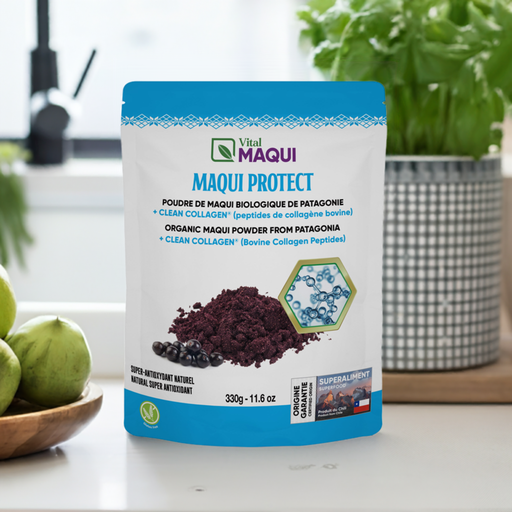
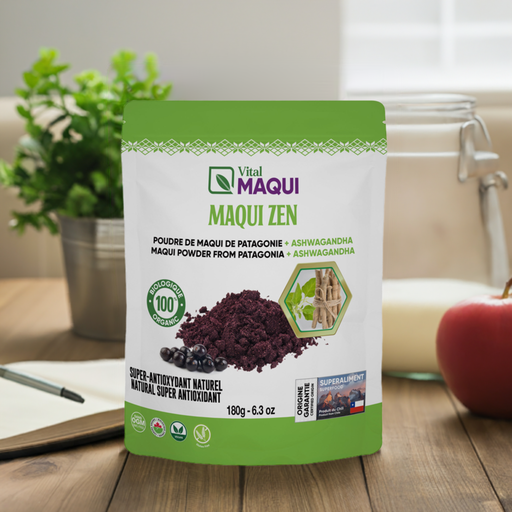
Adding a spoon of maqui powder to smoothies, yogurt, oatmeal, or even whipped cream brings deep colour and a surge of antioxidants. This approach lets you keep familiar recipes while quietly raising their nutritional value. Over the course of the season, regularly including maqui in simple dishes can provide steady natural support during holidays.
These simple pairings preserve the comfort and meaning of traditional meals while boosting the antioxidant content of your plate. They also add fibre, healthy fats, and natural sweetness, which can support digestion and blood sugar balance. Guests often appreciate the extra freshness that fruit and vegetables bring to rich spreads, even if they did not expect it. Every small pairing is an opportunity to offer your body kindness during a season that often asks a lot of it.
How Vital Maqui Supports Your Natural Balance During Holiday Treat Season
Many Canadians want to feel comfortable enjoying holiday trays, yet they also care deeply about long term health. Frequent work events, family dinners, and school parties can make it hard to keep antioxidant rich choices front and centre. It is common to feel bloated, low in energy, or mentally foggy after several heavy days, even when you are doing your best. A focused source of antioxidants like maqui can help support your efforts by filling gaps when meals are less balanced.
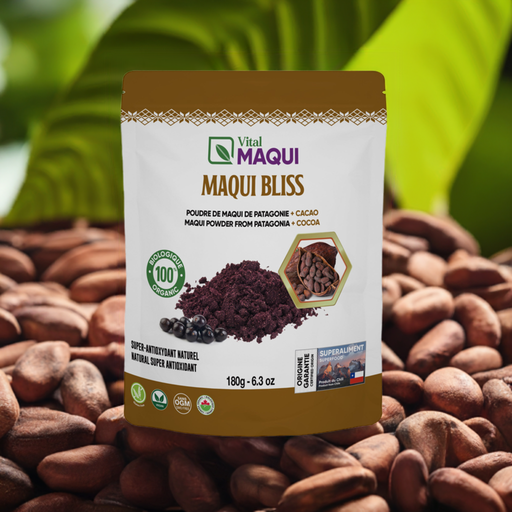
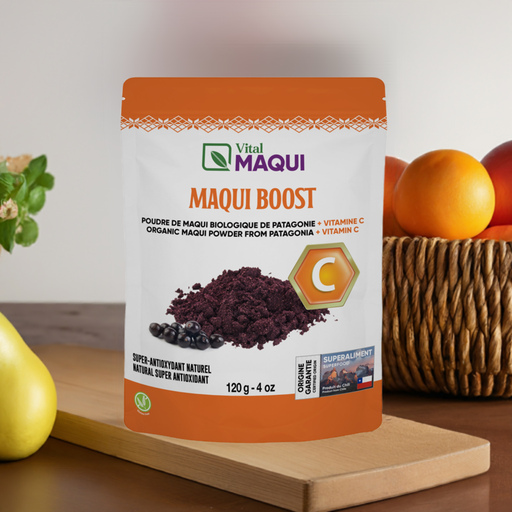
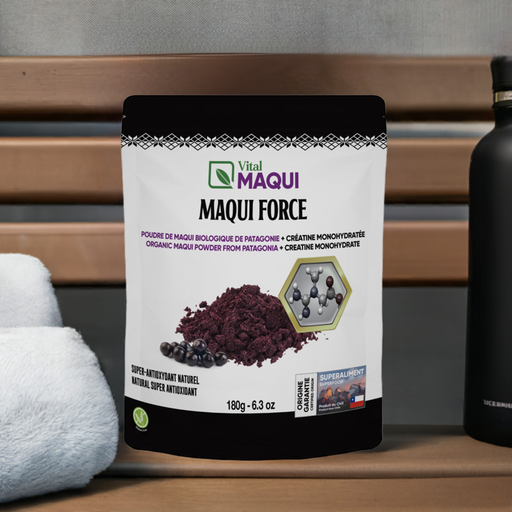
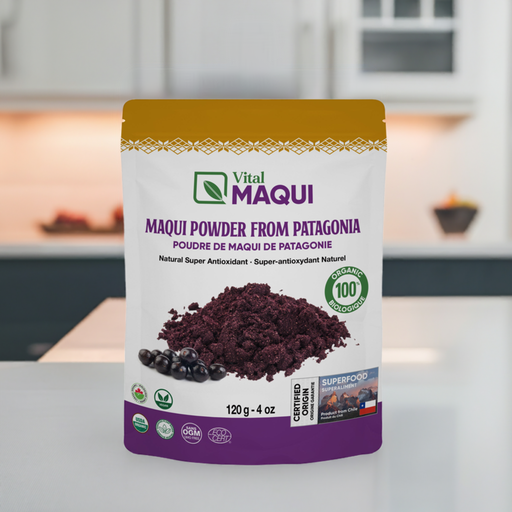
Vital Maqui offers organic maqui berry based blends that fit easily into daily routines, such as stirring a scoop into water, smoothies, or yogurt. This kind of simple ritual can help you support antioxidant intake through winter without relying only on seasonal produce that may not always be in your kitchen. Key practical advantages include strong antioxidant capacity in a small serving, no added sugar, and vegan friendly, additive free formulas that align with a clean eating approach. Canadians who use maqui regularly often describe steadier energy, more comfortable digestion, and a greater sense of calm around food choices, especially when they pair it with everyday healthy habits. Choosing a brand that focuses on transparent sourcing and small batch production adds peace of mind and reinforces your trust that each scoop supports your body with care.
Common Questions
Questions about balancing treats and health are very common during holiday weeks. You may wonder how far small habits can go or which steps matter most for your body. Clear, practical answers can calm anxiety and help you choose supportive actions that still respect family traditions. These common questions gather key themes that often come up in conversations about antioxidants, holiday meals, and natural support during holidays.
How Can I Enjoy Holiday Treats Without Compromising My Health
Enjoying treats while caring for your health starts with deciding which foods feel truly special to you. Focusing on those items and passing on less meaningful options helps you keep portions in a range that feels comfortable. Balancing richer dishes with vegetables, fruit, and protein at the same meal can soften blood sugar swings and improve digestion. You can also support your body by staying hydrated, moving gently after meals, and using antioxidant rich foods such as berries to round out your intake.
What Natural Antioxidants Help Balance Festive Meals
Many plant foods offer natural antioxidant support, including dark berries, grapes, cherries, citrus fruits, and pomegranate. Vegetables like kale, spinach, red cabbage, and Brussels sprouts contribute additional antioxidants along with fibre and minerals. Herbs and spices are another useful source, especially rosemary, thyme, turmeric, cinnamon, and cloves that already fit holiday flavours. Tea made from green tea leaves or hibiscus can also raise your antioxidant intake and provide a warm, calming drink instead of extra dessert or alcohol.
How Do Maqui Berries Reduce Inflammation During The Holidays
Maqui berries contain high levels of anthocyanins, which are plant pigments studied for their potential effects on inflammatory pathways. Laboratory and small human studies suggest these compounds may help reduce markers of oxidative stress and support a more balanced inflammatory response in the body. During holidays, when heavy food and stress can make joints or digestion feel more irritated, that kind of support may be especially welcome. Researchers are still learning how maqui works in humans, so it is best seen as one helpful part of a broader pattern that includes whole foods, movement, and sufficient sleep.
Why Is It Important To Support My Body With Antioxidants At Christmas
Holiday activities often combine several stressors at once, such as frequent late nights, indoor gatherings, higher alcohol intake, and heavier meals rich in sugar and saturated fat. Each of these elements can raise oxidative stress, which means more free radicals are present in your body. Antioxidants help neutralize some of these free radicals and support healthy cell function, blood vessels, and immune responses. Supporting your body with antioxidants at Christmas and through winter can help you feel more resilient, recover from heavier days more easily, and maintain everyday comfort.
How Can I Start A Simple Antioxidant Ritual Before The Holidays
Starting early allows your body to enjoy benefits from antioxidants before the busiest weeks arrive. One idea is to choose a daily moment, such as breakfast or an afternoon break, and commit to including at least one colourful fruit or vegetable at that time. You might add a berry blend to yogurt, sip green tea with a piece of dark chocolate, or mix a scoop of maqui powder into a smoothie. Building this routine before holiday events begin helps it feel natural, so you are more likely to keep it up when life feels full.
Thoughtful questions are a sign that you care about your body and want to make conscious choices during the season. There are many ways to combine enjoyment and health, especially when you use information as a tool rather than a source of pressure. Focusing on small, repeatable actions keeps changes realistic and kinder to your nervous system. As you experiment with antioxidants, balanced meals, and gentle mindfulness, you can create a holiday rhythm that fits both your values and your everyday life.
 Retour à Blog
Recettes
Voir toutes


Boutique VitalMaqui