


2016 vs 2026: A Decade of Wellness and the Rise of the Antioxidant Age
The way we think about health has changed dramatically in the last 10 years. In 2016, wellness was trendy: juice cleanses, fitness trackers, and superfood smoothies dominated the scene. Fast-forward to 2026, and health is no longer just about looking good or eating “clean.” It’s about longevity, inflammation control, brain health, and building resilience from the inside out.
One shift that stands out? The growing awareness of oxidative stress and the rise of antioxidant-rich foods like maqui berries that help fight it.
Let’s look at how far we’ve come and what the science says about where we’re heading.
🕶️ 2016: Health Through the Lens of Image
In 2016, wellness culture leaned heavily into aesthetics. Popular approaches focused on:
-
Calorie-burning workouts like HIIT and spin
-
Low-carb and elimination diets
-
Instagrammable foods: acai bowls, avocado toast, matcha lattes
-
Quick fixes like detox teas and "superfood" powders
While many trends introduced people to plant-based eating and functional nutrition, they often lacked long-term depth or scientific backing. The focus was often more on body image than cellular health.
🌿 2026: Health Is Now Rooted in Resilience
Today, we’ve shifted toward science-backed, preventive health. People are asking deeper questions:
-
How do I reduce inflammation naturally?
-
What foods help protect my brain and heart?
-
How do I build a strong immune system year-round?
-
What nutrients actually help slow aging?
Functional medicine and integrative nutrition have gone mainstream. Instead of chasing fads, more people are looking to ancestral diets, polyphenols, adaptogens, and anti-inflammatory foods for long-term support.
🧬 Why Antioxidants Are Now Center Stage
At the center of this shift is a renewed focus on oxidative stress, a process in the body linked to chronic inflammation, cellular damage, and aging. It’s caused by an imbalance between free radicals and antioxidants.
🔍 Research Shows:
-
Oxidative stress contributes to the development of cardiovascular disease, type 2 diabetes, neurodegenerative conditions, and even certain cancers.
-
A diet rich in antioxidant compounds especially anthocyanins found in deeply pigmented berries can help neutralize free radicals and protect cells.
🍇 What Makes Maqui Different?
Native to southern Chile and Argentina, the maqui berry (Aristotelia chilensis) has been used for centuries by the Mapuche people, who are known for their strength, endurance, and connection to nature.
Unlike more common superberries like acai or blueberry, maqui berries have:
-
Higher anthocyanin concentration (especially delphinidins, a rare form)
-
Strong anti-inflammatory and immune-modulating properties
-
Early evidence of support for metabolic health, including blood sugar regulation
-
A growing reputation for promoting eye health, joint comfort, and even mental clarity
Several lab and clinical studies have shown that maqui extract may reduce markers of oxidative stress, improve tear production (eye hydration), and support glucose metabolism.
🍵 How People Are Using Maqui in 2026
With its mild, berry-like flavor and vibrant purple hue, maqui powder is increasingly used in:
-
Smoothies and wellness shots
-
Overnight oats and breakfast bowls
-
Natural energy drinks or pre/post workout shakes
-
Herbal lattes, teas, or tonics
-
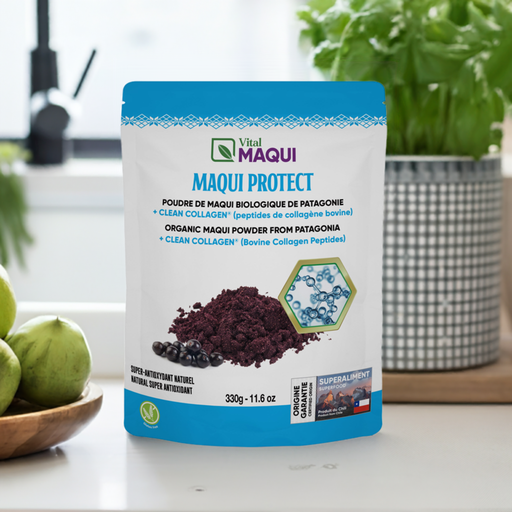
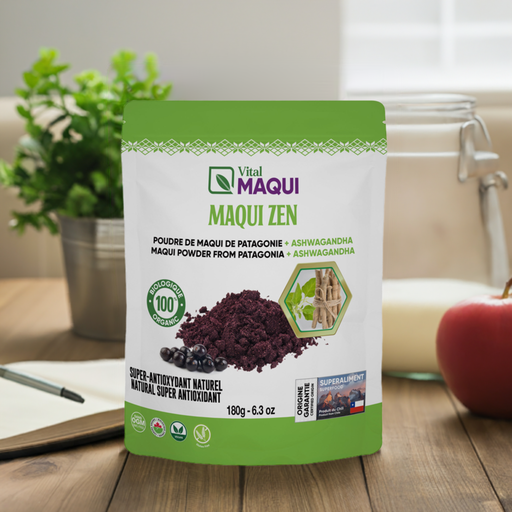
Clean-label supplements with targeted ingredients (e.g. collagen, ashwagandha, vitamin C)
Many people pair maqui with other adaptogens or plant-based nutrients to create functional blends that support stress relief, performance, skin health, or immune resilience.
🌍 Wellness That’s Sustainable and Ancestral
The shift from 2016 to 2026 also reflects a cultural and ethical evolution. Consumers today are more mindful of:
-
Where their food comes from
-
Who grows or harvests it
-
How it impacts the planet and local communities
In the case of maqui, demand has also sparked important conversations about fair trade, Indigenous knowledge, and ethical sourcing especially given the berry’s deep connection to the Mapuche.
🧭 Looking Ahead: The Next 10 Years
The future of health isn’t just about “superfoods.” It’s about functional, evidence-based nutrition, rooted in both traditional wisdom and modern science. It’s about protecting our bodies from the inside out with foods that do more than fill us up.
Maqui is a perfect example of this shift. It’s not just a trendy berry it’s part of a larger movement toward whole-body wellness, built on nutrient density, bioavailability, and resilience.
Key Takeaway
As we compare 2016 to 2026, one thing is clear: Wellness has matured. The flashy trends have given way to deeper, more intentional living and the foods we choose to nourish ourselves reflect that.
Whether it’s maqui berries or another plant-powered ally, the future of wellness is about restoration, not restriction.
 Back to Blog
Latest Recipes
View all


Shop VitalMaqui