


Natural evening rituals for calmer nights with maqui blends
The best night routine for sleep starts about 90 minutes before your head hits the pillow.
Most people chase sleep with late fixes, yet calmer nights come from steady cues that tell your body the day is closing. Light, food timing, room conditions, and one simple wellness ritual work better than a long list of sleep hacks. More than 1 in 3 adults in the United States do not get enough sleep on a regular basis. A good evening wellness ritual gives your system the same message every night, so sleep feels expected instead of forced.
A good evening ritual begins ninety minutes before bed
A good evening ritual starts long before you lie down. Your body needs a short runway to shift out of work mode, social mode, and screen mode. Ninety minutes gives most people enough time to slow down without feeling strict. That window makes the best night time routine for sleep feel simple, steady, and repeatable.
A useful pattern looks plain on purpose. You finish the last demanding task, lower the lights, wash up, and move into one calming habit that happens at the same time each night. A person who wants to sleep at 10:30 p.m. can start this window at 9:00 p.m., put the phone on a charger in another room at 9:15, and settle into a quiet drink or gentle stretch at 9:30. That steady order gives your brain fewer chances to stay switched on.
People often assume the best night routine for sleep needs a perfect bedtime, a long bath, and total silence. It usually needs something more modest. You need a clear signal that active hours are over and restful hours are beginning. You are building recognition, and that recognition helps you settle faster.
Light exposure sets the body clock for nighttime rest
Light is one of the strongest cues your body uses to decide if it should stay alert or settle down. Evening brightness tells your brain to stay awake longer. Dimmer light helps your internal clock move toward rest and signals that activity is winding down. A night routine for better sleep works faster when light changes early in the evening.
Screen glare is only part of the issue. Overhead kitchen lights, a bright bathroom mirror, and a television across the room can keep your body more alert than you realize. One controlled study found that evening blue light suppressed melatonin for about twice as long as green light. A practical fix is to switch to lamps, lower device brightness, and stop scrolling when your wind-down window begins.
This matters because your best night routine for sleep will fail if your light cues say morning while your bedtime says night. You do not need total darkness at 8:00 p.m. You do need a visible step down in brightness that happens at about the same time each evening. Your body reads that pattern as a reliable start to sleep preparation.
Food timing shapes sleep quality during the final hours
Food timing affects sleep because digestion and rest compete for energy. A heavy meal too close to bed can leave you hot, uncomfortable, or wide awake. A useful target is to finish dinner a few hours before sleep so your body has time to settle. That makes a night routine for good sleep much easier to follow.
“A night routine for better sleep works faster when light changes early in the evening.”
A late plate of spicy takeout at 9:45 p.m. often creates a very different night than an earlier dinner at 6:30 p.m. with a lighter evening snack if needed. If you get hungry close to bedtime, keep it small and easy to digest. Plain yogurt, a banana, or a simple piece of toast will usually sit better than fried food, dessert, or alcohol. That small choice keeps hunger from turning into a second dinner.
People looking for the best night time routine for sleep often focus on what to add and ignore what to move earlier. That trade matters. Earlier eating supports a calmer bedtime because your body is not busy processing a large meal while you are trying to rest. Small shifts in dinner timing often help more than another late-night sleep hack.
A calming maqui powder works through repeatable evening cues
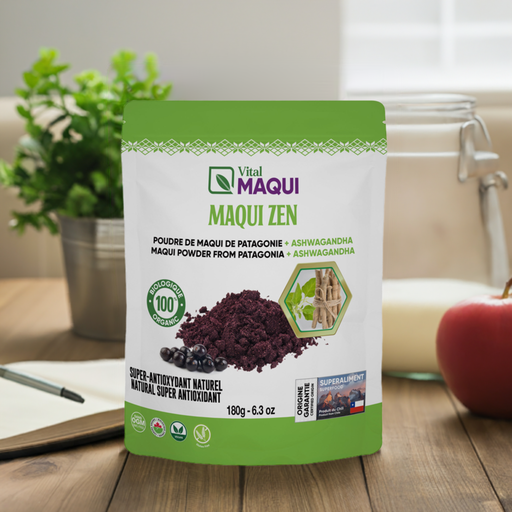
A natural powder for calmer nights works best when it is part of a steady ritual used at the same time each evening. The act of preparing it, tasting it, and finishing it becomes a cue for rest. That cue matters as much as the ingredient itself. Consistency turns a powder into a nightly signal your body will recognize.
A clean, additive-free blend is easiest to keep in your routine because it doesn’t feel fussy. Some people stir a scoop into water after tidying the kitchen. Others mix it into yogurt after brushing their teeth so the order stays the same every night. Vital Maqui’s MaquiZen fits this kind of use well because it gives the evening a clear pause, and the easier the step feels, the easier it is to keep.
This is the part many routines skip. A wellness habit becomes stronger when it is tied to a place, a time, and a repeated action. If your powder lives next to the kettle or your favorite mug, you’re far more likely to keep the ritual going. That makes it easier to answer the common question of what is a good evening wellness ritual.
It is calm, clean, and easy to repeat.
Gentle breath work lowers tension before you lie down

Breath work helps because it gives your body a direct signal to slow down. Longer exhales are especially useful when your mind feels busy but your body is tired. You do not need a class or special app to make this work. A few quiet minutes will support a night routine before bed and help you settle without extra effort.
One simple method is to inhale through your nose for a count of four and exhale for a count of six, repeating that pattern for three to five minutes. Another option is to place one hand on your chest and one on your belly while you breathe slowly enough to feel your lower hand rise first. Small actions like these help when you carried stress from work, family logistics, or late messages into the evening. That physical focus keeps your thoughts from racing in circles.
Breath work matters because it bridges the gap between a tired mind and a restless body. Some people feel sleepy but still physically wired. If you’re in that state, gentle breathing earns its place in the best night routine for sleep. It gives you a clean transition that does not depend on perfection, silence, or extra time.
Bedroom conditions decide how well your routine works
Your bedroom will either support the routine you built or quietly undo it. Cool air, low light, and fewer interruptions tell your body it is safe to settle. A cluttered, bright, noisy room sends the opposite message and keeps extra alertness alive. Sleep setup is part of the routine itself.
A room can look beautiful and still work poorly for sleep. A blinking charger, a hallway light under the door, or a phone buzzing on the nightstand can keep your system alert. The best night routine for sleep usually includes one small reset of the room before bed, such as pulling the curtains, turning down the thermostat, and moving the phone away from your reach. That quick reset asks very little of you and pays off night after night.
|
Nightly checkpoint |
What the change tells your body |
|---|---|
|
The room feels slightly cool instead of warm. |
A cooler space supports the natural drop in body temperature that comes before sleep. |
|
The main light is off and only a dim lamp is on. |
Lower brightness signals that alert hours are ending and rest is starting. |
|
Your phone is charging away from the bed. |
Distance reduces both mental temptation and sudden light or sound interruptions. |
|
Blackout curtains or an eye mask block stray light. |
Darker surroundings reduce mixed signals that can keep the brain on watch. |
|
Your bedding feels clean and comfortable against the skin. |
Physical comfort helps the body settle without extra tension or movement. |
Consistency helps the body expect sleep each night
Consistency matters more than intensity because your body responds well to repeated timing, repeated cues, and repeated order. That is why the best night routine for sleep often looks a little boring. Boring is useful when the goal is dependable rest. Familiar steps lower friction and help sleep feel expected instead of negotiated.
A person who dims lights at 9:00 p.m., has a calming powder at 9:15, and gets into bed around 10:15 will usually settle faster than someone who tries a different trick every night. Weekend swings can also throw off the routine more than people expect. Staying within about the same bedtime window keeps your body clock steady without forcing rigid perfection. That steady rhythm gives your body a bedtime it can recognize.
This is where many good intentions fall apart. People wait for the perfect evening, then skip the ritual on busy nights. A shorter version is better than none. If all you do is dim the lights, make your evening drink, and breathe for two minutes, you’ll still protect the pattern that makes a night routine for good sleep work.
“Good sleep comes from clean signals repeated often.”
Sleep setbacks show where your evening ritual needs work
Sleep setbacks usually point to one broken cue instead of a total routine failure. When you know what to watch for, you can adjust the right part of your evening without starting over. Good sleep comes from clean signals repeated often. Constant tinkering scatters those signals and makes bedtime feel less steady.
-
You feel sleepy on the couch but alert in bed, which often points to bright light or phone use.
-
You fall asleep fast but wake hot or uncomfortable, which often points to heavy late meals or a warm room.
-
You need more than an hour to wind down, which often points to starting the ritual too late.
-
You sleep well on weekdays and poorly on weekends, which often points to a drifting bedtime.
-
You rely on a new sleep trick every few nights, which often points to a routine that lacks stable cues.
The best judgment is usually the simplest one. Tighten the cue that is weakest and keep the rest steady for a week before making another change. Vital Maqui belongs in that kind of disciplined routine only if it stays what it should be: one clean, calming part of a nightly pattern that your body can trust. A calm routine earns trust through repetition, and that is what turns an evening wellness ritual into a night routine for better sleep that actually lasts.
 Back to Blog
Latest Blogs
View all


Shop VitalMaqui