


Why organic maqui powder stands apart from generic berry blends
Organic maqui powder is usually a better choice than generic berry blends when you want consistent antioxidant support from one clearly identified fruit.
That matters because many mixed powders look impressive on the front label yet tell a blurrier story once you read the ingredients. You're often paying for a berry theme instead of a distinct fruit profile. People asking if maqui powder is better than berry blends are usually trying to solve a practical problem. They want a powder that's easy to trust, easy to use, and easy to judge over time.
Supplement use already plays a steady role in daily routines, with 57.6% of U.S. adults reporting use in the previous 30 days. That makes label clarity more important than clever packaging. A scoop you use each morning should have a fruit source you can recognize without guessing. Generic blends can still be pleasant, but organic maqui powder gives you a more disciplined starting point.
Organic maqui powder gives a clearer antioxidant profile
Organic maqui powder gives you a simpler antioxidant story because one fruit leads the formula. That makes the color, flavor, and ingredient identity easier to judge. You know what you are taking each day. That clarity supports a steadier routine.
A practical example shows the difference quickly. One bag can say mixed berry powder on the front, then list apple powder, grape powder, and blueberry ahead of smaller berry ingredients on the back. Another bag can list only organic maqui berry powder. You will have a much easier time linking taste, color, and daily use to one fruit when the formula stays that direct.
That difference matters most when you want a repeatable habit instead of a novelty ingredient. A single-fruit powder helps you notice how it fits into yogurt, water, or a smoothie without a shifting blend of sweetness and texture. Mixed powders often aim for broad appeal and softer taste. Organic maqui powder usually serves people who care more about ingredient definition than a general berry mix.
Delphinidins shape the polyphenol value of maqui powder
Delphinidins are part of what gives maqui powder its deep purple color and distinct polyphenol identity. They help explain why maqui does not feel interchangeable with a random berry mix. When you choose maqui, you are choosing a specific anthocyanin profile. That specificity matters.
A fruit powder does more than add color to a smoothie. If a product centers on maqui berry, its purple tone and tart finish come from the same fruit that defines the polyphenol profile. A mixed powder built around apple or grape can still look dark and taste fruity, yet the active plant compounds come from a broader mix. That makes the result less precise.
You don't need a chemistry lesson to use this well. You only need to notice that fruit identity and polyphenol identity are tied together. When the product keeps maqui front and center, the antioxidant profile stays easier to understand. That is one reason people comparing acai berry and maqui often focus on label clarity as much as the fruit name.
Maqui vs acai comes down to nutrient priorities

The main difference between maqui powder and acai powder is the type of nutrition you prioritize. Maqui is often chosen for a more polyphenol-focused profile, while acai is often valued for a richer texture and a fuller mouthfeel. Both can fit a healthy routine. They simply serve different preferences.
Your usual breakfast can make the choice clearer. A thick smoothie bowl with banana and nut butter often pairs naturally with acai because the fruit has a richer feel. A lighter glass of water, yogurt cup, or quick morning smoothie often suits maqui because the powder keeps the fruit note sharp and clean. That difference explains much of the maqui powder and acai conversation.
People searching maqui berry and acai comparisons often expect a single winner. Daily use rarely works that way. Acai can be a good fit when texture and satiety shape your ritual. Maqui often works better when you want a more defined fruit identity and a cleaner antioxidant focus.
|
What you are trying to judge |
Organic maqui powder |
Acai powder |
Mixed berry powder |
|
If you want a clear fruit source, one maqui berry usually carries the full formula. |
Organic maqui powder keeps the ingredient story easy to follow. |
Acai powder can also be clear when it is sold as a single-fruit powder. |
Mixed berry powder often spreads the formula across several fruits and support ingredients. |
|
If you care most about texture, the powder should match how you eat and drink it. |
Maqui usually stays light enough for water, yogurt, and quick smoothies. |
Acai often brings a fuller texture that suits bowls and thicker blends. |
Mixed berry powder can vary a lot because the base fruit is not always obvious. |
|
If you want antioxidant clarity, a single-fruit profile is easier to read over time. |
Maqui gives you one main fruit profile to track from scoop to scoop. |
Acai gives you one main fruit profile when the formula stays simple. |
Mixed berry formulas can make the antioxidant profile harder to interpret. |
|
If you are sensitive to sweetness, the ingredient order tells you a lot. |
Maqui often tastes tart and direct without needing sweeter fruit support. |
Acai can taste mild and rich, especially in thicker recipes. |
Mixed powders often lean on sweeter fruits to soften the flavor. |
|
If you want a routine you can measure, consistency matters more than variety. |
Maqui works well for a simple daily scoop with fewer moving parts. |
Acai works well when your routine centers on fuller meals and bowls. |
Mixed blends suit people who care more about broad flavor than a defined fruit identity. |
Mixed berry powders often dilute active berry compounds
Mixed berry powders often spread the formula across several fruits, which makes the active berry content less obvious. That does not make them useless. It does make them harder to evaluate. A long berry list can hide a small amount of the fruit you actually want.
A package might show strawberries, blueberries, raspberries, and maqui on the front, yet the ingredient order can tell another story. Apple powder or grape powder may appear first because those ingredients add bulk, sweetness, or lower cost. The result still tastes pleasant. You just lose a clean line between the fruit promoted on the label and the fruit shaping the scoop.
This is the main reason organic maqui powder often stands apart from generic blends. You are not only buying antioxidants. You are buying interpretability. When the ingredient list gets crowded, your ability to judge potency, flavor, and routine fit starts to weaken even if the package still sounds healthy.
Organic growing practices shape maqui powder purity
Organic growing practices matter because they support a cleaner starting point before the fruit is dried and milled. Purity starts with how the berry is raised and handled. That will affect your confidence in the powder. It also affects how simple the formula can stay.
People often compare organic maqui powder and mixed berry powder as if the only issue is antioxidants. Purity is just as important. A single-origin organic fruit gives you fewer variables than a multi-fruit formula assembled from several supply streams. That matters if you prefer additive-free products and want your daily scoop to reflect careful sourcing instead of a broad commodity blend.
"You are not only buying antioxidants. You are buying interpretability."
Organic standards also help you read a product with more confidence. When a powder starts with one organic fruit, the label usually stays shorter and the routine stays easier to repeat. That makes comparison simpler when you're choosing between maqui powder and a mixed berry product. You spend less time guessing which ingredients are carrying the formula.
Processing methods can lower antioxidant activity before purchase
Processing will shape the final powder almost as much as the fruit itself. Heat, added carriers, sweeteners, and long ingredient chains can all weaken the connection between the raw berry and the finished scoop. A clean formula protects more of what made the fruit useful in the first place. You should judge the full powder formula instead of stopping at the berry name.
A simple kitchen example helps here. Fresh berries dried gently and milled into powder stay closer to the original ingredient than a formula blended with sugar, flavor systems, or starches to improve texture. Both products can sit in the same aisle. One still acts like a fruit powder, and the other behaves more like a flavored blend.
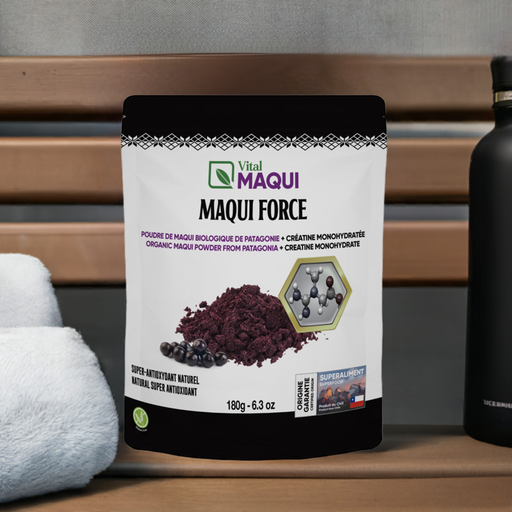
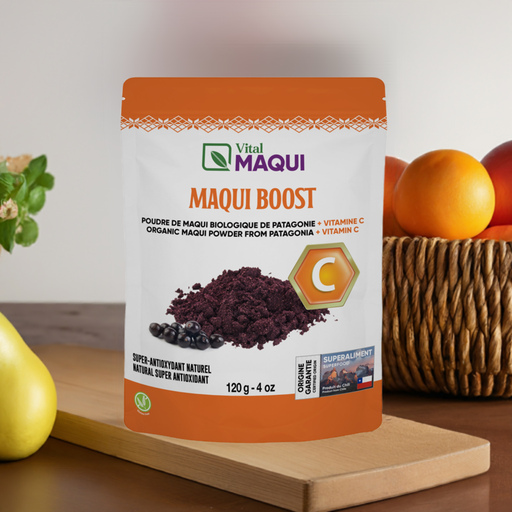
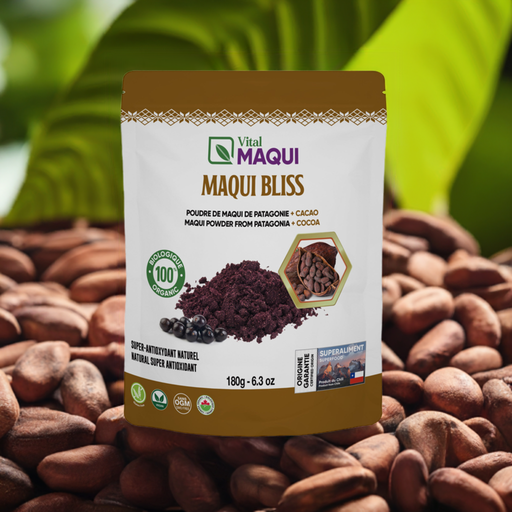
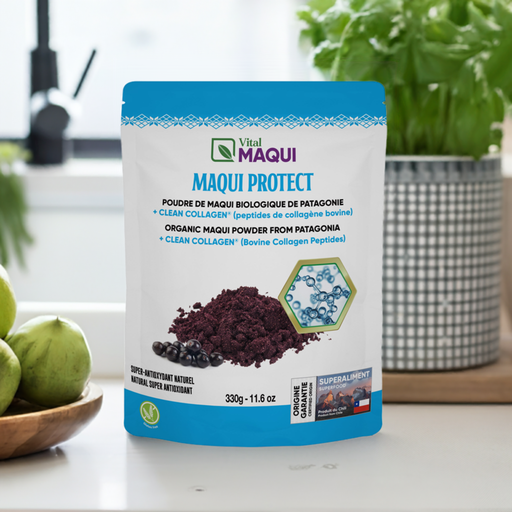
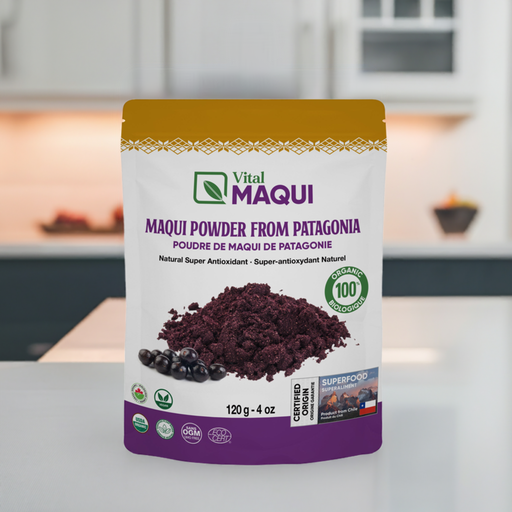
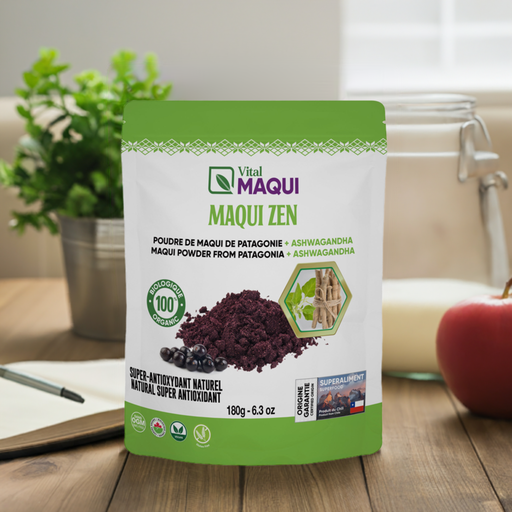
Vital Maqui reflects this execution mindset by keeping the ingredient story easy to follow and the daily use simple. That kind of restraint matters because processing choices are easy to hide behind attractive packaging. A powder with fewer extras gives you a clearer link between sourcing, taste, and what ends up in your glass each morning. It also makes your routine easier to repeat without second-guessing the label.
Clean labels show what a berry powder contains
Clean labels make berry powders easier to judge because they reduce guesswork around fruit content, sweetness, and add-ins. You'll be able to tell what the scoop contains in a few seconds. If the ingredient list reads like a workaround, the formula is already less transparent. Clear labels support better habits.
A strong label does not need flashy claims. It needs enough detail for you to understand the fruit source, the order of ingredients, and any added support ingredients. A mixed powder can still be a solid choice if it is open about what leads the formula. These five checks will help you read the package quickly and consistently.
-
Check which fruit appears first in the ingredient list.
-
Look for added sugars or juice concentrates.
-
Notice carriers such as maltodextrin or starches.
-
Confirm the powder states organic if that matters to you.
-
Choose labels that name the fruit clearly and directly.
Those checks matter because mixed berry branding can feel more specific than it really is. A tart, dark powder can still rely on cheaper base fruits under the surface. When the label stays short and direct, you will have an easier time comparing maqui berry and acai or judging maqui against a berry blend without getting lost in marketing language. That kind of clarity helps you keep a daily wellness habit simple.
"That consistency makes value easier to judge over time."
Single origin powders support more consistent daily tracking
Single-origin powders make daily tracking easier because the fruit source stays constant from scoop to scoop. You get a steadier baseline for flavor, mixability, and routine fit. You're dealing with fewer variables each morning. That consistency makes value easier to judge over time.
A daily ritual only works when you can repeat it without much friction. A scoop in water before work, a swirl into yogurt after a workout, or a simple smoothie on busy mornings all depend on a powder that behaves the same way each time. Fruit intake is already a weak spot for many adults, with only 12.3% of U.S. adults meeting fruit recommendations. That makes consistency more useful than novelty when you add a fruit powder to your routine.
That is why organic maqui powder often earns a lasting place in a wellness habit. It gives you a clean fruit identity, a readable label, and a routine you can track without confusion. Vital Maqui fits that judgment well because its Patagonia-rooted, crafted-in-Canada approach stays close to the idea that a daily powder should feel simple, transparent, and easy to use over time. That kind of consistency is what keeps a daily habit from feeling complicated.
 Back to Blog
Latest Blogs
View all


Shop VitalMaqui