


What to look for in a high quality maqui berry powder
High-quality maqui powder will give you whole-berry fruit, clear origin, and minimal processing.
Many products hide behind berry blends, vague sourcing, or sweetened formulas that make comparison hard. A good label answers the biggest buying question right away: what is in the jar, where did it come from, and how was it dried. Clear answers matter because 57.6% of adults age 20 and older used a dietary supplement in the prior 30 days. More people are adding powders to daily routines, so label literacy will shape the quality you bring home. Maqui berry powder works best when it supports a simple ritual and doesn’t ask you to ignore missing details. You want a product that tastes like fruit, mixes easily, and keeps the ingredient panel short. You also want proof that imported berries were handled carefully once they reached Canada. Those details separate a serious powder from a purple story on the front of the pack.
Good maqui powder is made from whole berries
Good maqui powder starts with the whole berry. The ingredient line will usually say maqui berry powder on its own or keep the formula very short. Whole-berry powders keep the fruit closer to its natural form. That gives you a cleaner read on what you’re actually buying.
A quick label test helps. One pouch will list organic maqui berry powder as the only ingredient, while another will put cane sugar, natural flavor, and fruit concentrate ahead of maqui. The sweeter formula can taste easier in water, but it also shows the berry plays a smaller role. If you want maqui powder for daily wellness, the shorter label is the safer choice.
Whole-berry powder also tends to look and behave like fruit. You’ll usually see a deep purple color, a tart finish, and a texture that feels slightly earthy. That profile can seem strong in yogurt or water, yet it often signals that the powder wasn’t padded for taste. A good product should taste honest before it tastes easy.
"Good maqui powder earns a place in your cupboard because the product details hold up every time you check them."
Patagonian origin signals authentic maqui berry sourcing

Patagonian origin matters because maqui is native to that part of Chile. A clear origin statement helps confirm that the product contains authentic maqui berry. You should see Chile or Chilean Patagonia named in plain language. Vague sourcing leaves too much guesswork on the label.
An online listing that says South American superfruit tells you almost nothing. A stronger listing names Chilean Patagonia and gives some detail about harvesting or supply partners. That doesn’t make the powder perfect on its own, but it shows the company is willing to be specific. Specificity is one of the easiest trust markers to verify before you buy.
Origin also shapes consistency. Fruit gathered from the same growing region tends to produce a more familiar color and tartness from batch to batch. You’ll notice that when a morning smoothie tastes steady week after week instead of drifting from sweet to flat. Good sourcing will not solve every quality issue, yet it sets a firm starting point.
" A good product should taste honest before it tastes easy."
Freeze dried processing preserves the compounds people seek
Freeze-dried maqui berry powder usually holds its color and flavor better than powders exposed to high heat. That matters because the compounds people look for in berry powders are sensitive to processing. A freeze-dried label is a useful signal. It should still be backed by a clean ingredient list.
A simple kitchen test can tell you a lot. When a spoonful turns kefir or oats a rich purple almost right away, the powder usually still has strong natural color and a fresh berry aroma. Powders that look dusty brown or taste cooked can point to rougher handling. Processing leaves clues long after the berries are milled.
Freeze-drying isn’t a magic word, and it often costs more. The benefit is that the berry can be dried without long exposure to the kind of heat that flattens taste and color. You may also notice a powder that clumps a little once opened, which often happens when there are no anti-caking fillers. Slight clumping is easier to accept than a formula built to pour perfectly while using extra helper ingredients.
Organic certification matters when labels stay clean
Organic certification matters most when the rest of the label stays just as clean. The seal tells you the fruit met a recognized production standard. It doesn’t excuse added sugars, gums, or filler ingredients. You still need to read every line on the panel.
Organic has become a mainstream trust signal with broad consumer reach. U.S. retail sales of organic products reached $69.7 billion in 2023. That scale explains why the seal gets attention, but it also explains why some brands stretch the claim across blended formulas. A tub labeled organic maqui powder should not bury rice flour or flavoring in small type.
A strong label keeps the promise simple. One ingredient works well for people who want control over sweetness and serving size, especially if you add the powder to smoothies or plain yogurt. A blend can still be useful, but the front of the pack should match the ingredient panel without soft wording. Clean labeling is less about marketing language and more about respecting your routine.
|
What to check |
What that clue usually means |
|---|---|
|
Maqui berry powder appears as the only ingredient |
You are buying fruit instead of a flavored blend built around cheaper add-ins. |
|
Chilean Patagonia is named clearly on the pack or listing |
The seller is specific about source rather than relying on broad berry language. |
|
Freeze-dried processing is stated in plain terms |
The powder was likely handled with less heat, which helps protect color and taste. |
|
An organic seal sits beside a short ingredient panel |
The certification supports a clean formula instead of masking fillers with a premium claim. |
|
Lot code and best-by date are easy to find |
You can trace freshness and ask practical questions if a batch seems off. |
Canadian quality checks help verify imported maqui powder
Imported berries still need careful handling after harvest, and that is where Canadian quality checks matter. A trustworthy powder shows lot details, contact information, and a clear best-by date. You should know who packed it or crafted it for the Canadian market. Those details help turn a distant ingredient into a traceable product.
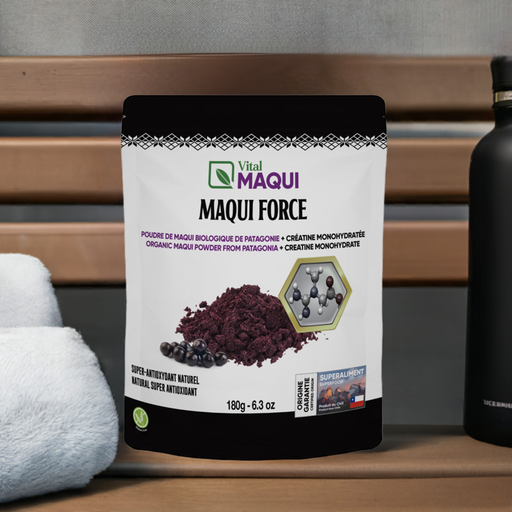
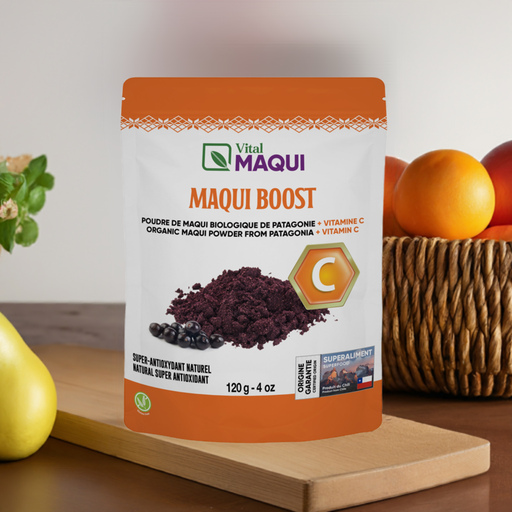
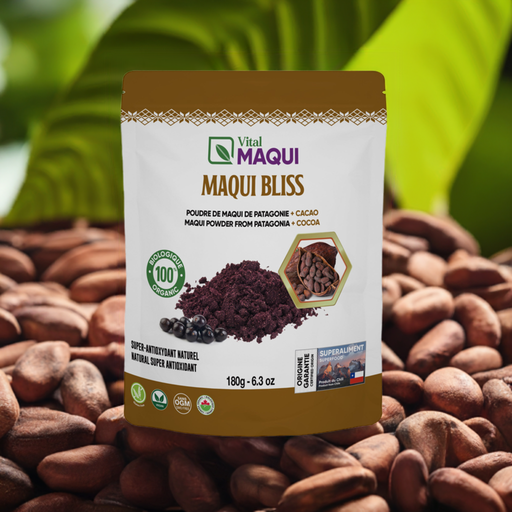
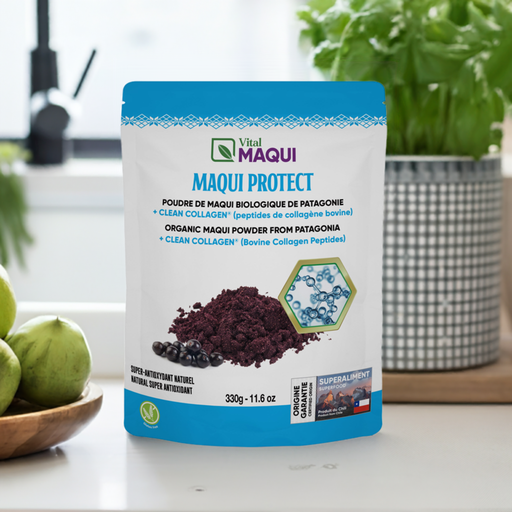
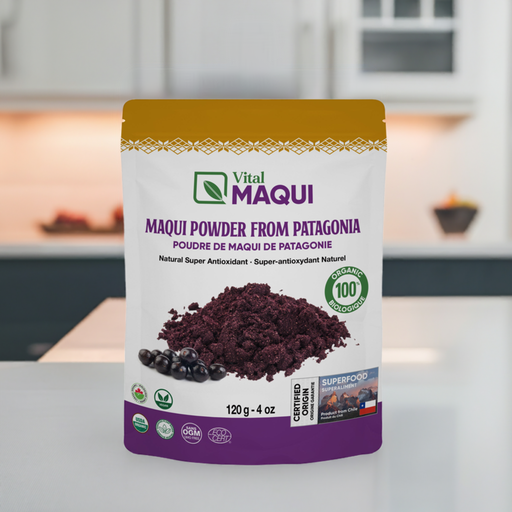
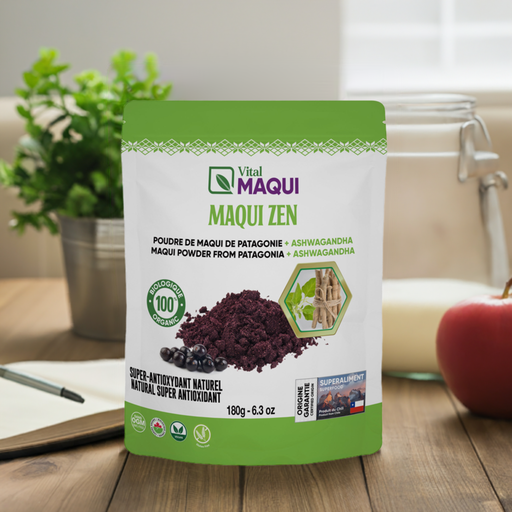
A bilingual label, a printed lot code, and a customer service email are practical signs that the company expects questions. They also show that a batch can be traced if something seems off. Vital Maqui fits this standard when it pairs Patagonian sourcing with clear Canadian crafting details and simple pack information. That kind of execution is what you should look for from any maqui powder sold in Canada.
Imported superfruit powders often look similar on a screen. The difference shows up when you need a straight answer about handling, storage, or batch freshness. A seller that only repeats broad wellness language will help very little after checkout. A seller that publishes plain product details usually treats quality control as part of the product itself.
Packaging dates reveal freshness before you buy
Freshness shows up before the first scoop if you check the package closely. Light, heat, air, and moisture all work against berry powder once processing is done. A recent best-by date and protective packaging matter. They tell you the product had a better chance of reaching you in good shape.
Packaging type makes this easy to spot. A clear pouch sitting near a bright window exposes the powder to more light than an opaque tub with a tight inner seal. A large economy bag can also be a poor fit if you only use a spoonful now and then. The best container is the one that matches how quickly you’ll finish it.
A quick shelf check helps you avoid common misses before you click add to cart. These cues take seconds to scan, and they reveal more than front-label promises. You are looking for freshness control that protects the powder through daily use. Keep this short checklist in mind.
-
Choose opaque packaging that blocks light.
-
Look for a printed best-by date, not a later sticker.
-
Check for a lot code that ties the jar to a batch.
-
Pick a size you will finish within a steady routine.
-
Avoid loose seals or powder collecting around the lid.
How to use maqui powder every day
The best maqui powder will fit into your day without extra work. It should mix into foods you already eat and taste clean without heavy sweeteners. A plain powder gives you more control over texture and flavor. Daily use is what gives quality a purpose.
A half scoop in yogurt, oatmeal, or a berry smoothie is often enough to make the habit stick. Some people like it stirred into cold water with lemon, while others fold it into chia pudding or kefir. The right choice is the powder that stays appealing after the third week and still feels easy to use. If a product needs syrup, juice, or flavored creamer to be pleasant, the routine usually fades.
That is why careful label reading matters more than dramatic claims. A good powder respects the fruit, respects your time, and gives you enough transparency to keep the habit simple. Vital Maqui belongs in that conversation when its Patagonia-rooted sourcing and Canadian crafting stay visible on the label instead of hiding behind filler language. Good maqui powder earns a place in your cupboard because the product details hold up every time you check them.
 Back to Blog
Latest Blogs
View all


Shop VitalMaqui